🏛️ Varosha (Cyprus)
🔎 Quick Facts and Why It Matters
Varosha is a ghost town located in the eastern part of Cyprus, known for its intriguing history and the stories encapsulated in its abandoned streets and buildings. It draws attention for being a snapshot of 1970s urban life frozen in time.
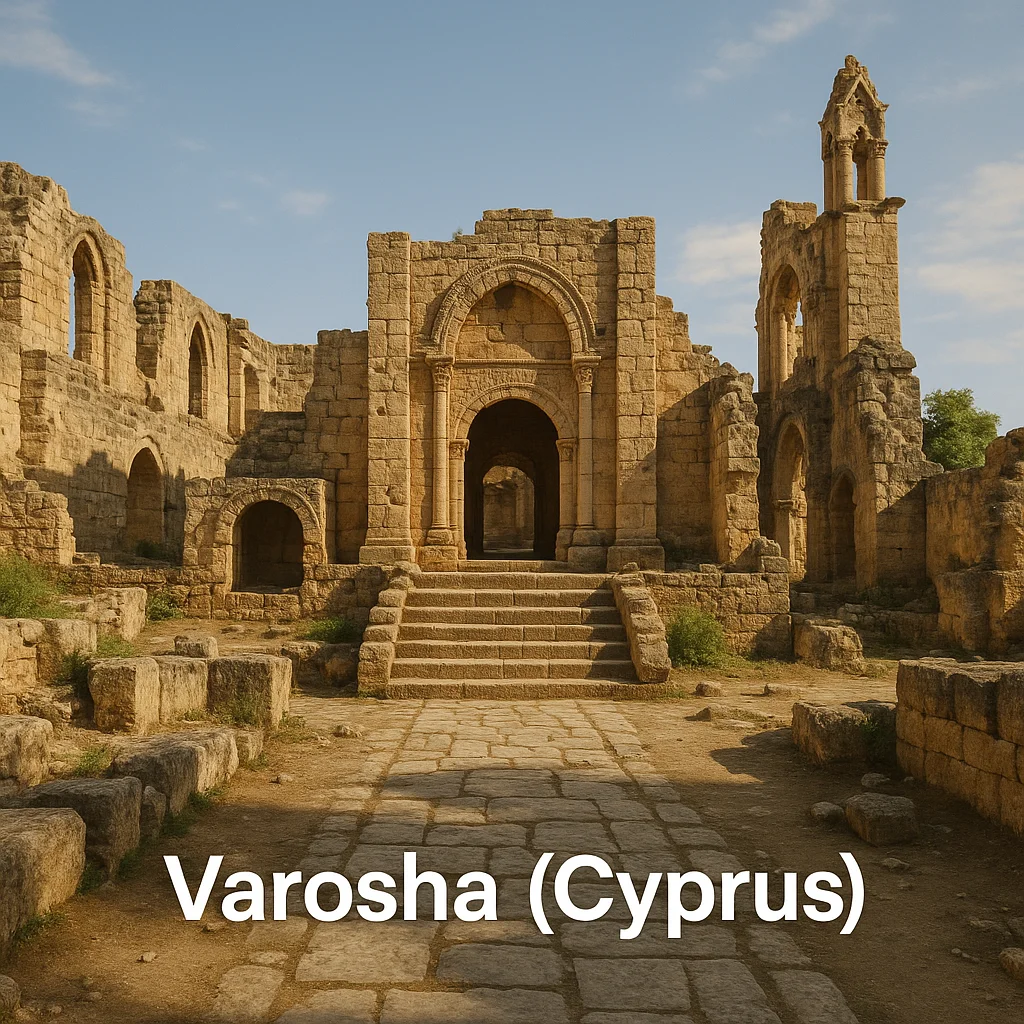
The town was once a bustling tourist destination, hosting some of the world’s most famous celebrities before conflict led to its abandonment. Today, it offers a poignant experience as visitors walk through its silent streets, witnessing the decay of what was once a glamorous town.
This guide will help you understand the fascinating history of Varosha, what to expect from your visit, its architectural significance, and practical tips to make the most of your journey.
- Located in Cyprus, near the city of Famagusta
- Originated as a vibrant tourist hub in the mid-20th century
- Typical visit length: half to full day
- Moderate difficulty with some walking involved
- Best visited during spring or autumn for mild weather
- Main highlight: the haunting yet captivating atmosphere of an abandoned resort town
🗺️ Where It Is and How to Orient Yourself
Varosha is situated in the eastern region of Cyprus, near the city of Famagusta. This area is well-known for its captivating coastline and historical significance.
The closest major city to Varosha is Famagusta, which acts as the main gateway for travelers. The site is accessible via Ercan International Airport in the northern part of Cyprus. From there, a relatively short drive leads you to the edge of Varosha.
While it's possible to visit Varosha as a day trip from Famagusta, staying overnight in the city offers more time to explore and reflect. The town sits along the coast, providing a visually striking juxtaposition of abandoned urbanity against the backdrop of beautiful beaches.
🕰️ History in a Nutshell
Varosha was developed as a modern tourist hub during the 1960s and 1970s, mainly built to accommodate a growing influx of international tourists seeking Mediterranean charm and luxury.
Its peak came in the early 1970s when Varosha hosted thousands of visitors, embodying the cosmopolitan allure of Cyprus. However, a military intervention in 1974 led to the rapid evacuation and subsequent fencing off of the area.
The town remains uninhabited due to continued political tensions, appearing as a ghost town where nature has started reclaiming the streets and structures, providing a unique glimpse into the past.
⭐ Top Highlights You Should Not Miss
- The Abandoned Hotels
- The Main Street
- Viewpoint Over the Town
The Abandoned Hotels stand as silent witnesses to Varosha's glamorous past. These structures look imposing amidst decay, and they reflect architectural styles from the 1960s and 70s.
The Main Street, once bustling with tourists, now offers an eerie walk. Here, you'll see shops with merchandise left as it was decades ago. This spot provides the best wide view of the entire Façade and urban layout context.
A designated Viewpoint Over the Town allows visitors to appreciate the scope of abandonment, with a full structure visible against the Cyprus skyline.
🧱 Architecture, Materials, and Design (Made Simple)
The architecture of Varosha includes a mix of concrete and glass, typical of mid-20th-century urban design. The buildings echo influences from various modernist movements that favored functional aesthetics over ornate decoration.
Unique to Varosha are the geometric facades and broad glass windows of its high-rise hotels, representing an international style of architecture. Many buildings also display characteristic flat roofs and linear forms.
While natural decay has altered several structures, some restoration efforts have preserved key elements to prevent hazardous collapse, leaving most of the town in its original, untouched post-1974 state.
🎟️ Visiting Guide (Time, Tickets, and What to Expect)
A typical visit to Varosha can take anywhere from a few hours to a full day, depending on your interest level. There are designated times for entry, generally aligning with daylight hours, though exact times may vary seasonally.
Access may require special permission or a guided tour to ensure visitors respect area restrictions. Be prepared to enhance your experience by hiring a local guide who can enrich your understanding of Varosha's history.
It's advisable to visit early in the day to avoid the heat and crowds. Bring essentials such as water, comfortable footwear, and sun protection, as amenities within the site are limited.
🚆 How to Get There and Move Around
Visitors can reach Varosha by public transport or taxi from nearby Famagusta. Renting a car is another viable option for those wanting more flexibility.
Entry usually occurs via a designated gate. For beginners, using the main entrance is recommended as it offers the clearest access to main sites and information points.
While some areas have paved paths, much of the terrain can be uneven. It's important for visitors to be mindful of their footing, particularly in older buildings or overgrown areas.
🌤️ Best Season, Weather, and Time of Day
Spring and autumn are the optimal seasons to visit Varosha, offering more temperate weather conducive to extensive outdoor exploration. Summers can be hot, making early morning or late afternoon visits more comfortable.
If you visit in the morning, the light is generally soft, ideal for photography, while sunset casting long shadows provides an atmospheric perspective. Plan accordingly, as weather can vary and change plans if rain threatens your visit.
In case of adverse weather, consider exploring Famagusta's indoor attractions, like local museums, to enrich your understanding of regional history and culture.
⚠️ Safety, Rules, and Respectful Etiquette
It is crucial to wear sturdy shoes to navigate Varosha's terrain safely. The rocky and uneven ground requires careful attention, especially in wet conditions that can cause slippery surfaces.
Respectful behavior is paramount, as the site holds cultural sensitivity. Follow any posted signs, maintain a low voice volume in quiet areas, and avoid disruptive behavior.
Photography restrictions may vary; refrain from using flash or drones unless guidelines permit and always adhere to on-site instructions for preservation efforts. Avoid climbing on structures or touching fragile remains to protect historical integrity.
🗺️ Nearby Places and a Simple One-Day Itinerary
- Morning: Explore the Varosha Ghost Town
- Midday: Visit the Famagusta Old Town
- Afternoon: Relax at Salamis Beach
- Evening: Dining in Famagusta
Not far from Varosha, Famagusta Old Town offers labyrinthine streets filled with medieval architecture, including the impressive walls and historic buildings. Salamis Beach provides a lovely spot to unwind with an outlook over the Mediterranean Sea.
The nearby historical sites and serene spots enhance the overall experience, making your visit educational and enjoyable.
🧩 Stories, Myths, and Common Questions
Is Varosha a "Lost City"?
While often described as a "lost city," Varosha is a preserved ghost town rather than an ancient civilization. Historians emphasize its recent abandonment and modern origins.
Can kids visit Varosha?
The site can be visited by families, but parents should supervise children closely given the uneven surfaces and structural integrity issues.
Is hiring a guide necessary?
A guide enriches the experience significantly by providing context and historical insights that are not immediately apparent from the ruins alone.
📌 Summary and Who This Site Is Best For
- What it is: An abandoned tourist town
- Where it is: Eastern Cyprus, near Famagusta
- Key history takeaway: Before its abandonment, it was a thriving resort
- Top highlights: Ghostly hotels, main street, town viewpoint
- Architecture/materials: Mid-20th-century urban style
- Visit length guidance: Half to full day
- Best season/time: Spring and autumn, early morning or late afternoon
- Safety/etiquette: Wear sturdy footwear, respect rules and guidelines
- Nearby add-ons: Famagusta Old Town, Salamis Beach
- One memorable fact: Varosha was once a top destination for celebrities in the 1970s
Varosha is ideal for those intrigued by 20th-century history, photographers seeking atmospheric settings, and anyone interested in the sociopolitical narratives of abandoned places.
The town's surreal atmosphere, combined with its layered past, leaves a profound impression on visitors. It emphasizes not only the power of nature's reclamation but also the importance of heritage preservation amidst geopolitical strife.
An exploration of Varosha offers a sobering, captivating experience, encouraging respectful engagement with history and its enduring impacts.