🏛️ Hội An Ancient Town (Vietnam)
🔎 Quick Facts and Why It Matters
Hội An Ancient Town is a well-preserved example of a Southeast Asian trading port from the 15th to 19th centuries, earning it a UNESCO World Heritage status.
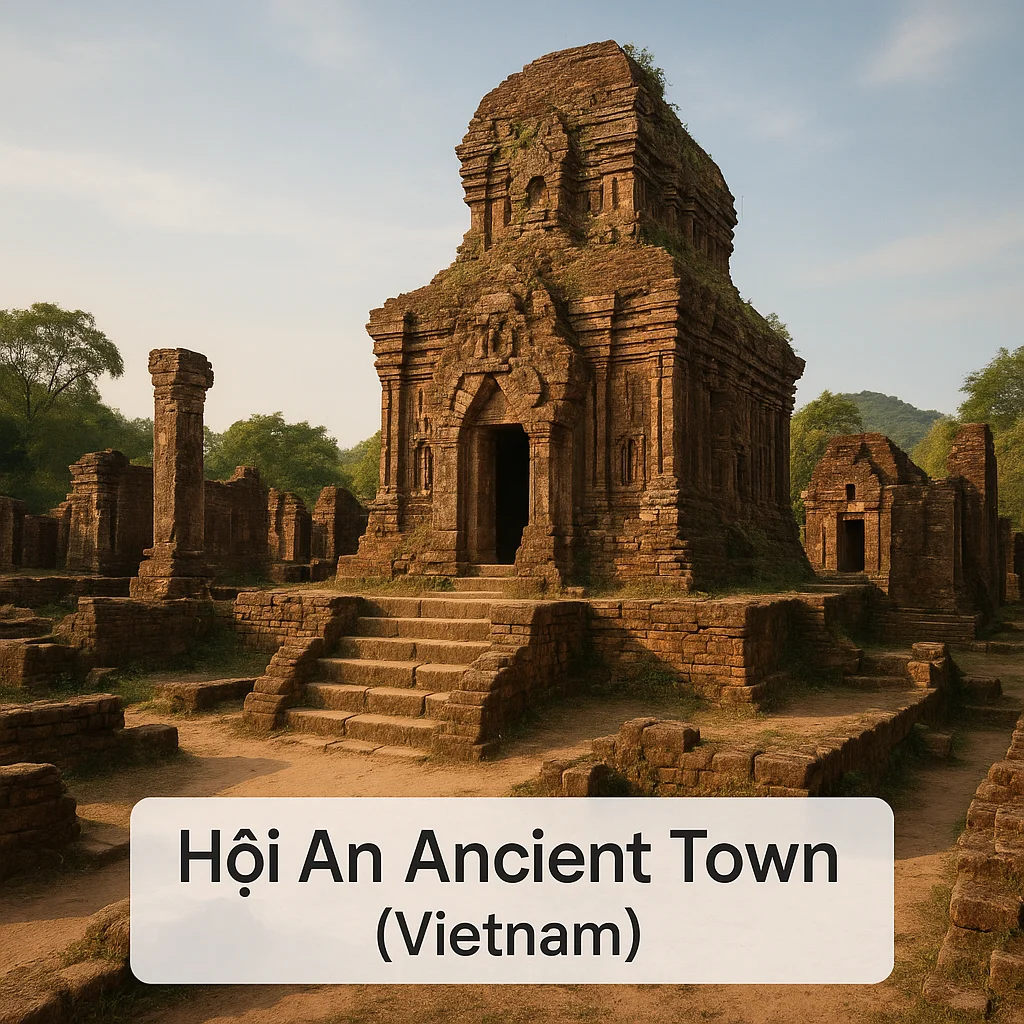
This enchanting town stands out for its unique blend of cultures, beautiful old architecture, and a romantic atmosphere that allows visitors to step back in time.
The town offers a great walking experience with its narrow streets, traditional wooden houses, and vibrant ambiance. It's like walking through history combined with modern-day life.
In this guide, you'll learn about Hội An's history, its architectural highlights, visitor tips, and how to navigate its charming streets.
- Country: Vietnam
- Region: Central Vietnam, near Da Nang
- Era: 15th to 19th century
- Typical Visit Length: 1–2 days
- Difficulty: Easy to Moderate, with lots of walking
- Best Season to Visit: February to April for mild weather
- Highlight: Japanese Covered Bridge
🗺️ Where It Is and How to Orient Yourself
Hội An Ancient Town is located in Central Vietnam, nestled along the coast and intersected by the Thu Bon River.
The nearest major city is Da Nang, which serves as a typical gateway for visitors arriving by air or train. From Da Nang, Hội An is a comfortable drive away, making it feasible for a day trip, though an overnight stay is recommended for the full experience.
Imagine a coastal town with beautifully preserved structures, lush greenery, and a relaxing ambiance. Hội An is relatively easy to navigate, preparing you to enjoy an enriching historical journey.
🕰️ History in a Nutshell
Founded in the 15th century, Hội An was built by local and foreign traders, becoming a bustling commercial port for centuries.
The town flourished through the 16th and 17th centuries, drawing traders from across Asia and Europe, contributing to its rich cultural tapestry.
Although Hội An lost its commercial significance in the late 19th century, the decline in economic activity inadvertently helped preserve its ancient structures.
This preservation is why much of the town's historic character remains intact, offering visitors a glimpse into its past commercial prosperity and cultural diversity.
⭐ Top Highlights You Should Not Miss
- Japanese Covered Bridge
- Old House of Tan Ky
- Assembly Hall of the Fujian Chinese Congregation
- Hội An Market
The Japanese Covered Bridge is a stunning piece of historical architecture, representing the connection between two culturally distinct districts. The entire façade is in view as you approach, offering a perfect photo opportunity.
The Old House of Tan Ky is a well-preserved private home, showcasing traditional Vietnamese architecture with its unique wooden structure and delicate carvings.
The Assembly Hall of the Fujian Chinese Congregation is a grand building reflecting the influence of Chinese culture. Inside, discover its vibrant courtyard adorned with elaborate decorations.
The Hội An Market is a sensory delight, offering fresh produce, local specialties, and a true taste of Vietnamese culture. Capture the bustling scene from across the river for a wide view that encapsulates the market’s lively energy.
🧱 Architecture, Materials, and Design (Made Simple)
Buildings in Hội An boast wooden frames, walls crafted by a blend of stone and brick, with roofs of traditional tiles. Ancient construction techniques have allowed these structures to endure through the centuries.
The town's architecture blends Vietnamese, Chinese, and Japanese influences, evident in its temples, houses, and bridges. This melting pot of styles creates a unique aesthetic that's distinctly Hội An.
Distinctive architectural features include the iconic arched Japanese Covered Bridge, colorful wooden facades, and exquisite wooden carvings throughout homes and assembly halls.
Restoration efforts have been keenly undertaken to match the historical fabric, ensuring that visitors experience Hội An's authenticity in concert with preservation.
🎟️ Visiting Guide (Time, Tickets, and What to Expect)
A quick visit to Hội An can be wrapped up in a few hours, but a standard exploration usually takes a full day. History enthusiasts might spend a couple of days exploring its many sites and atmospheres.
Entry to certain historical sites requires a paid ticket, while roaming the streets and enjoying the town's ambiance remains free. Some museums offer additional tickets, and guided tours are available for those keen on deeper insights.
Hội An typically welcomes visitors from the morning through late afternoon. Note that opening hours and ticket prices can change, so checking local information upon arrival is wise.
🚆 How to Get There and Move Around
From Da Nang, opt for a taxi or bus for a straightforward journey. Ride-sharing services may also be available depending on the region's network.
Most visitors enjoy Hội An on foot, with the Old Town entirely walkable. Be prepared for uneven cobblestones and, occasionally, crowded streets.
Accessibility can vary, so those with mobility challenges should plan accordingly, noting that certain areas might entail stairs or narrow pathways.
🌤️ Best Season, Weather, and Time of Day
The best time to visit Hội An is in the spring months of February to April, offering pleasant weather with less rainfall and moderate temperatures.
Early mornings or late afternoon provide the best light for photography and a soothing ambience for leisurely walks as the sun casts gentle shadows.
On rainy days, explore covered destinations like assembly halls or cozy up in a local cafe to enjoy the town’s culinary delights.
⚠️ Safety, Rules, and Respectful Etiquette
Comfortable shoes are recommended for walking on cobblestones and navigating steps. Dress modestly out of respect for local customs, especially in sacred areas.
Always observe photography rules; indoor flash and drones may be restricted. Keep signs and local advice in mind.
Stay on paths, do not touch fragile artifacts, and avoid climbing on any structures to help preserve the site.
Be mindful of weather conditions: heavy rains can make some paths slippery, and midday heat can be intense. Remain hydrated and protect yourself from the sun.
🗺️ Nearby Places and a Simple One-Day Itinerary
- Morning: Wander through Hội An Ancient Town, capturing the peaceful early atmosphere and visiting the Japanese Covered Bridge.
- Midday: Explore the Old House of Tan Ky and stop for a local lunch at the market.
- Afternoon: Visit the Assembly Hall of the Fujian Chinese Congregation and enjoy shopping in the town's quaint boutiques.
- Evening: Complete your day with a lantern-lit boat ride on the Thu Bon River.
Nearby attractions include Cua Dai Beach, My Son Sanctuary, and the Marble Mountains, each offering unique insights into the region’s culture and natural beauty.
🧩 Stories, Myths, and Common Questions
Is Hội An a “lost city”? No, Hội An was never lost but rather overshadowed in later centuries. Its preservation came more from a decline in commercial importance, allowing it to remain intact.
Is the Japanese Covered Bridge as old as the town? The bridge was likely built in the early 17th century, around the peak of Hội An's trading era, symbolizing unity between Vietnamese and Japanese communities.
Is Hội An kid-friendly? Yes, children can enjoy the lively streets and engaging cultural performances. However, keep a close eye on them, especially near water and crowded places.
Should I hire a guide? A guide can enrich your visit by providing context and stories behind each landmark, but navigating independently is simple if you prefer self-guided exploration.
📌 Summary and Who This Site Is Best For
- A historically rich trading port turned UNESCO Heritage site
- Located in Central Vietnam, near the coastal city of Da Nang
- Reflects a blend of various cultural influences from its trading past
- Must-see: Japanese Covered Bridge, Tan Ky House, Assembly Halls
- Features harmonious blend of Vietnamese, Chinese, and Japanese architecture
- Spend anywhere from a few hours to several days exploring
- Optimal visit: Spring months during early or late hours
- Follow local safety guidance and preserve the heritage by staying on paths
- Nearby: My Son Sanctuary, Marble Mountains, Cua Dai Beach
- Memorable for its lanterns and nightly cultural performances
Hội An Ancient Town is ideal for families, photographers, and history enthusiasts who delight in cultural explorations.
The town's well-preserved streets and historical sites offer an immersive experience, making the effort worth your while.
Visiting Hội An responsibly helps maintain its historic charm for future generations, ensuring that its rich legacy continues to inspire travelers worldwide.